Building Better Utility Master Plans with Value Engineering
When the Infrastructure Investment and Jobs Act (IIJA) was passed in 2021, it authorized $1.2 trillion in generational infrastructure funding and created new opportunities for water and wastewater utilities to invest in critical system improvements. While larger utilities often have capital improvement plans and master plans in place to support funding applications, many smaller systems lack the planning documents needed to identify priorities and compete for available resources.
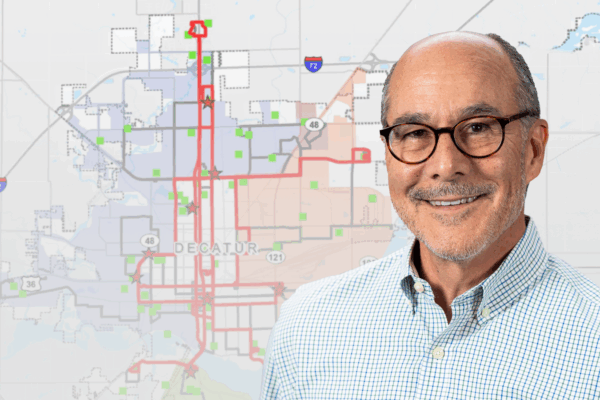
In this article, Benesch Value Engineering Specialist Jim Rhoades offers a solution: applying value engineering principles during the master planning process to help small utilities identify their most pressing needs, prioritize investments and develop a roadmap for pursuing funding opportunities.
Meet Our Expert

Why Small Systems Need a Different Approach
Small water and wastewater systems often face the same challenges as larger utilities, including aging infrastructure, regulatory requirements and increasing operational demands. Yet many lack the capital improvement plans, master plans and historical data needed to identify priorities and pursue major funding opportunities.
When new funding opportunities became available through the IIJA/BIL, many utility leaders I’ve worked with found themselves asking the same questions: Which projects should be prioritized? Which funding programs are the best fit? How can limited resources be used most effectively?
In my experience, that’s where many small systems get stuck. Without a clear plan, pursuing funding can quickly become overwhelming. Value engineering can make a difference.
Using Value Engineering to Build a Better Plan
Value engineering is a team-oriented, systematic methodology for evaluating alternatives and identifying solutions that deliver the greatest value while meeting project goals, performance requirements and budget constraints. Traditionally, value engineering has been used on large, complex infrastructure projects. However, the same methodology can be adapted to support master planning efforts for smaller utility systems. Following the SAVE Value Engineering Job Plan, project teams and key stakeholders move through a structured process to gather information, analyze system functions, develop and evaluate alternatives, and ultimately identify solutions that best align with a utility’s goals, constraints and available resources.
Because value engineering emphasizes collaboration, the process encourages a wide range of perspectives and often uncovers opportunities that might otherwise be overlooked. It provides a function-based approach in order to create a stronger foundation for determining which capital improvements should be prioritized, how projects should be phased and which funding opportunities are best aligned with the utility’s long-term goals.
A Flexible Approach
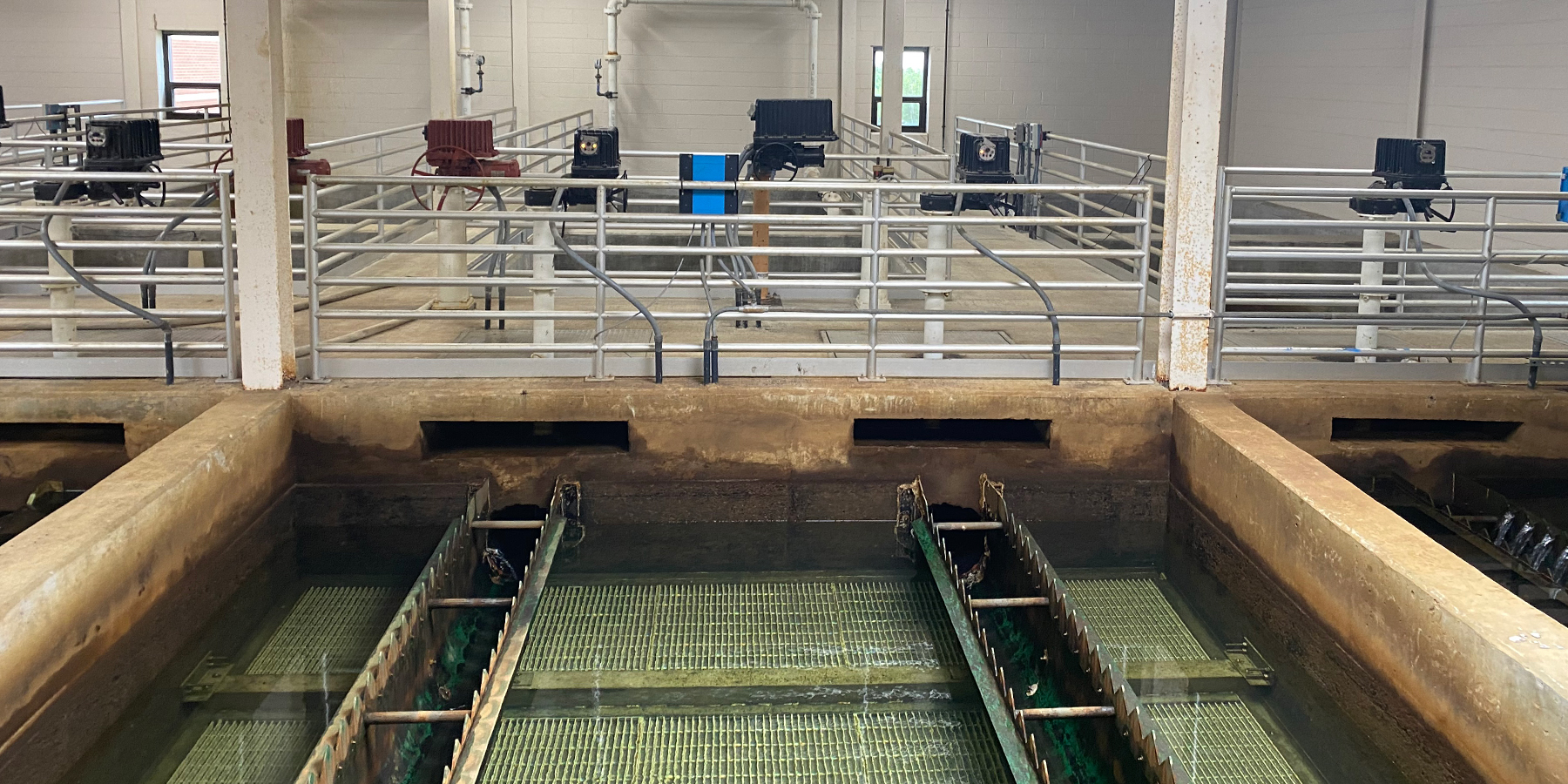
Traditional value engineering studies often involve intensive, weeklong workshops that aren’t always practical for smaller utilities with limited staff and resources.
To better serve these systems, I’ve started adapting the SAVE Value Engineering Job Plan into a more streamlined process that preserves the core principles of value engineering while reducing the time commitment required from utility personnel.
Another important distinction is that funding considerations are integrated throughout the planning process rather than treated as an afterthought. Funding agencies, eligibility requirements and program deadlines become part of the conversation early, allowing project priorities to be developed with implementation opportunities already in mind.
The process also incorporates condition assessments, asset management principles and PACER (Performance, Acceptance, Cost and Risk) analysis to help utilities evaluate alternatives and identify the most feasible path forward. The result is a practical planning process tailored to the realities of small systems while maintaining the collaborative, function-based approach that defines value engineering.
In Pennsylvania, Benesch helped Hazleton City Authority prioritize more than $95 million in water system improvements through a Value Planning process that created a phased implementation strategy and long-term roadmap for future investments.
Connecting Planning and Funding
One of the greatest benefits of incorporating value engineering into master planning is the direct connection between planning and funding.
Because funding opportunities are considered throughout the planning process, utilities can evaluate grant and loan programs, disadvantaged community initiatives and eligibility requirements as project priorities are established rather than after projects have already been defined.
As a result, the final master plan becomes more than a planning document; it becomes a strategic tool that supports funding applications by clearly documenting system needs, project priorities, implementation costs and the decision-making process behind recommended improvements.
Supporting Funding Applications at Mahanoy Township Authority
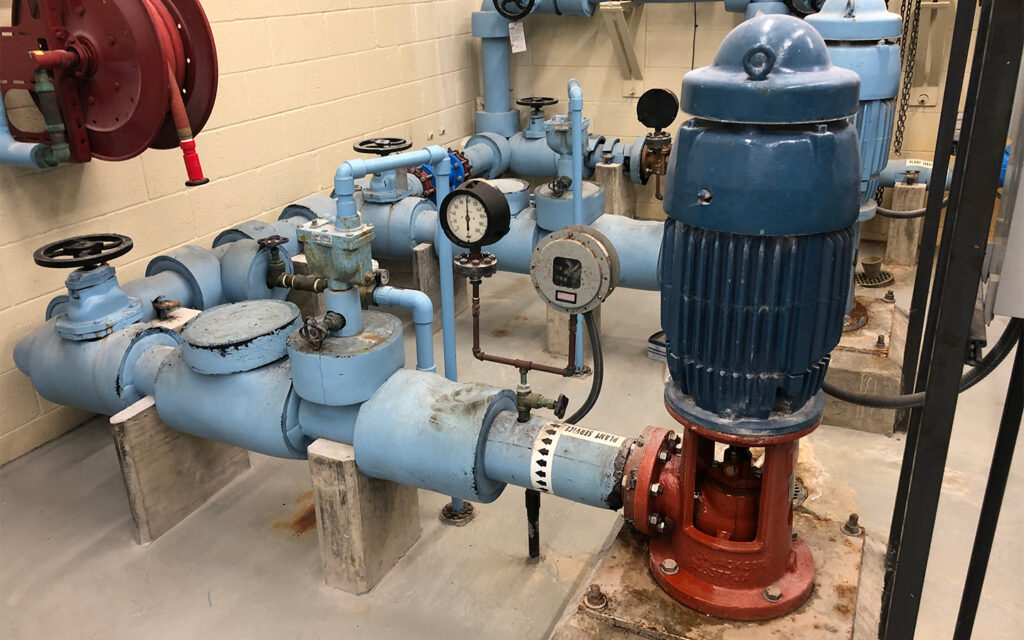
For many small utilities, that level of documentation can significantly strengthen funding applications and improve their ability to compete for available resources. Mahanoy Township Authority partnered with Benesch to develop a Water System Master Plan that identified more than $17 million in recommended improvements. The completed plan strengthened the authority’s applications for IIJA/BIL and State Revolving Fund (SRF) funding, demonstrating how value engineering can support both planning and funding efforts. With Benesch’s help, Mahanoy Township Authority was awarded $2 million in SRF funds for professional engineering services.
Learn MoreBuilding the Right Project
The goal of value engineering is not to simply build the project right—it is to ensure that we are in fact building the right project.
For small water and wastewater systems, that distinction is especially important. Every investment must balance long-term value, reliable service, regulatory compliance and future growth, often with significant financial constraints.
By integrating value engineering into the master planning process, utilities can better understand their needs, evaluate alternatives, prioritize investments and develop projects that are positioned for successful implementation and funding. The result isn’t just a stronger master plan, it’s a practical roadmap for building resilient infrastructure and making the most of every available funding opportunity.
_________________________________________________________________________________
Interested in learning more? Visit our Value Methodology page to learn how Benesch helps clients make informed decisions that maximize project value. You can also follow Benesch on LinkedIn for more expert insights and the latest company news.