Enhancing Safety Corridors with Smartphone Data
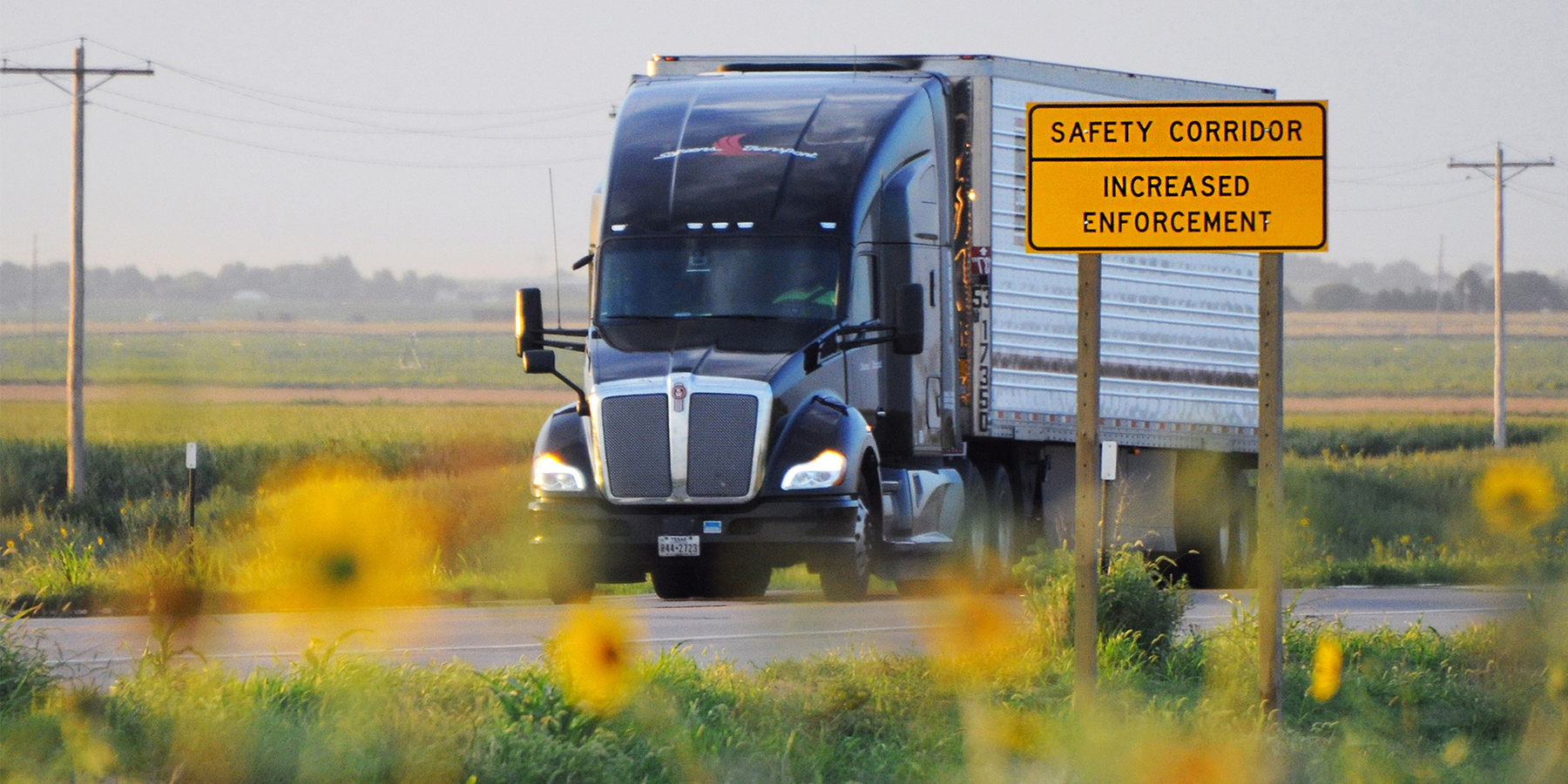
While smartphones have a well-earned reputation for putting drivers at risk, the data they collect may hold the key to improving the safety of highways across the country. In this article, Transportation Group Manager Chris Harker explores how we can use telemetric data to improve highway corridors with greater fatality or serious injury rates than similar roadways.

Uncovering Data-Driven Insights
As technology advances, it provides new ways to evaluate and enhance the safety of our roadways. Now that we have the ability to collect telecommunications and the connected vehicle data it offers, we’re gaining unprecedented insight into driver behaviors—such as distracted driving, speeding and harsh braking.
Benesch, in partnership with Michelin Mobility Intelligence (MMI), is exploring how this real-time, segment-specific data can optimize safety investments and save lives. By collecting data from users who have opted-in to over 10 apps from categories such as driving-related, gas, weather, safety and more, we’re able to correlate local incident data with driving behavior to help agencies make informed decisions to improve road safety and measure the success of implemented solutions.
The Kansas Safety Corridor Pilot Program
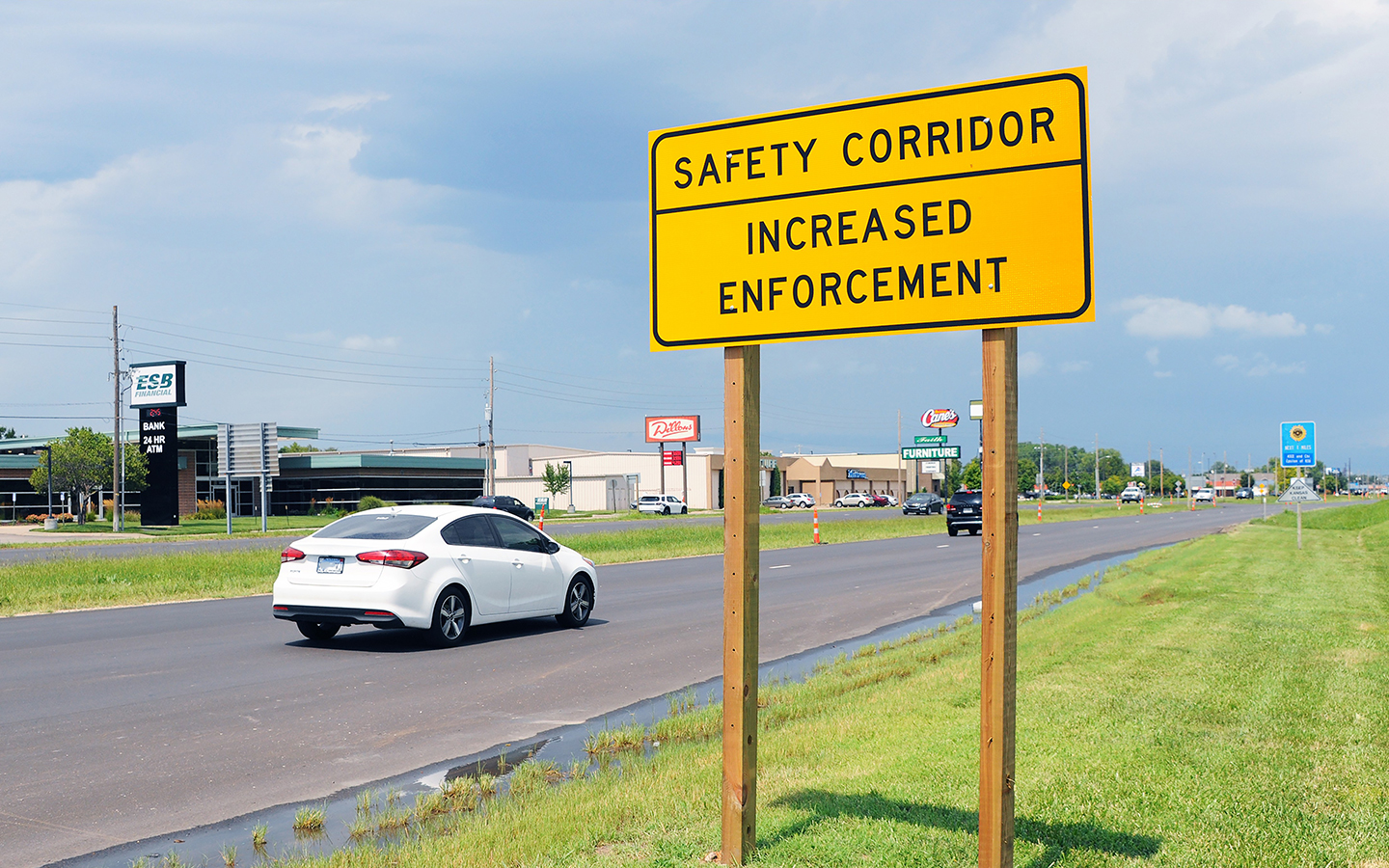
Benesch collaborated with the Kansas Department of Transportation (KDOT) on the Safety Corridor Pilot Program (SCPP) aimed at identifying and evaluating new means of optimizing corridor safety as part of the national “Drive to Zero” effort. The focus of this project was on two of KDOT’s identified Safety Corridors, US-24 and US-81, each with higher rates of accidents or fatalities as compared to the state system.
The program utilized available data from MMI to assess driver behaviors. By correlating this data with KDOT’s historical collision data and infrastructure changes, Benesch demonstrated a strong link between cellphone usage and crash occurrences, providing both validation of traditional safety assessment data sets and the opportunity to leverage telematic data to identify “higher risk” segments along a corridor. This ultimately supported the development of proactive strategies to mitigate developing crash concentration areas instead of reacting to post crash events.
SCPP also was utilized to assess and quantify the ROI of implemented safety strategies used along US-24 and US-81. Telematic events were evaluated before and after increased law enforcement, safety education campaigns and enhanced signage schemes were implemented. This project identified quantifiable reductions in telematic events after the strategies, indicating positive ROI. The results suggest that strategies could be optimized to increase ROI based on specific corridor segment characteristics, rather than applying strategies at a corridor-wide level.
The program’s innovative methodology is setting a new standard for corridor safety analysis, with the potential to influence industry best practices nationwide.
At Benesch, we are dedicated to shaping the future of infrastructure by providing innovative, efficient solutions. Our multidisciplinary team leverages a forward-thinking approach to set new standards for excellence, empowering clients and communities to embrace smarter, safer infrastructure. To keep up with the latest news and insights from our experts, follow Benesch on LinkedIn.