
Because so many people rely on this structure, it was incredibly important to deliver a bridge that provides a safe, enjoyable experience for all users. I’m proud to say we did exactly that.
William Felton “Bill” Russell Bridge
City of Boston | Boston, MA
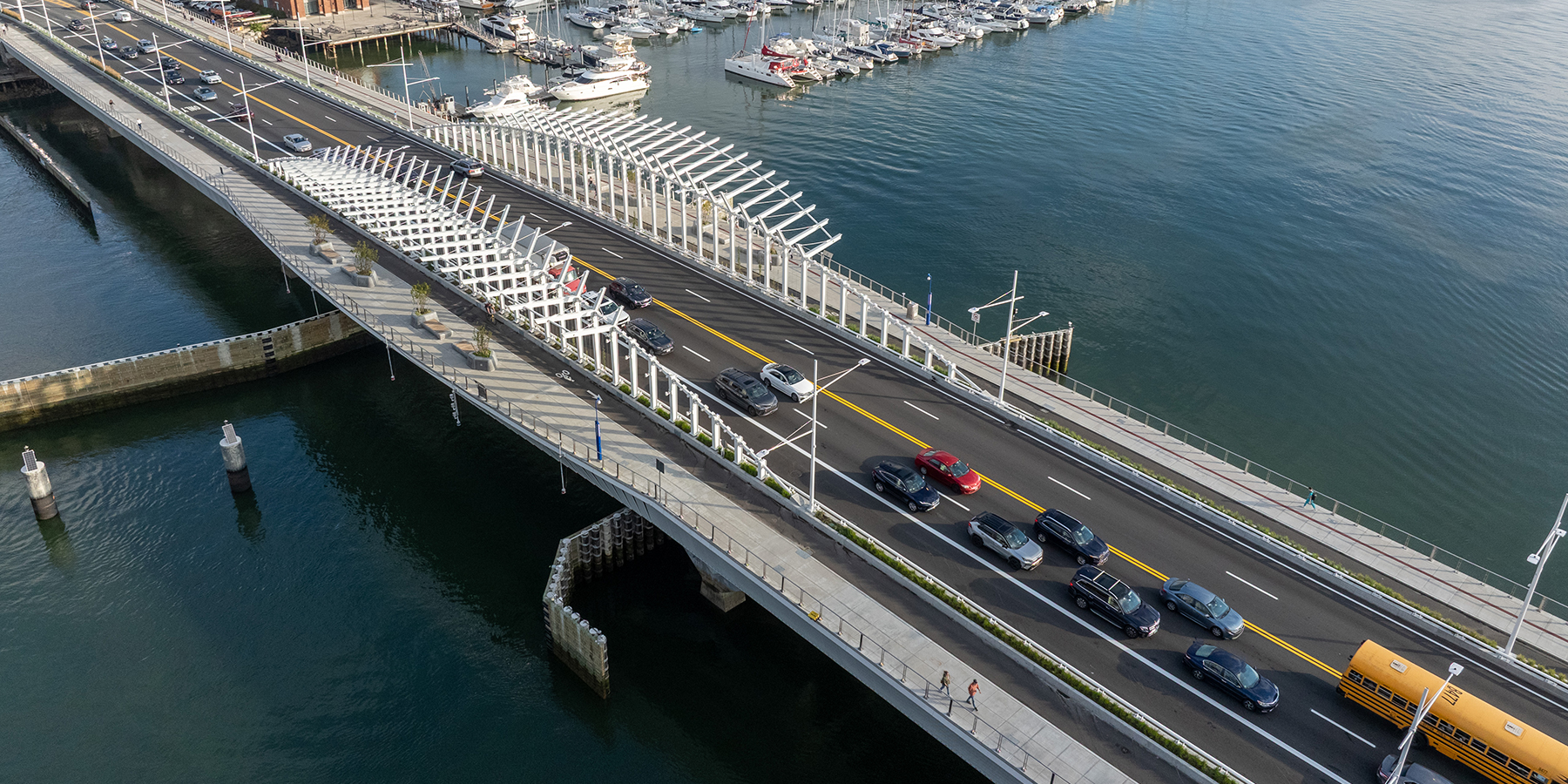
The William Felton “Bill” Russell Bridge, formerly known as the North Washington Street Bridge, is a signature structure in Boston, Massachusetts that serves as a vital connection between Downtown Boston and Charlestown, carrying vehicles, bicycles and pedestrians over the Boston Inner Harbor and supporting the historic Freedom Trail.
Serving as the lead designer, Benesch worked collaboratively with the Massachusetts Department of Transportation, the City of Boston Public Works Department and architecture firm Rosales + Partners to create a modern, accessible, and aesthetically significant gateway between two of Boston’s most important neighborhoods.
Practice Areas
Services
Share
A Complete Streets Approach
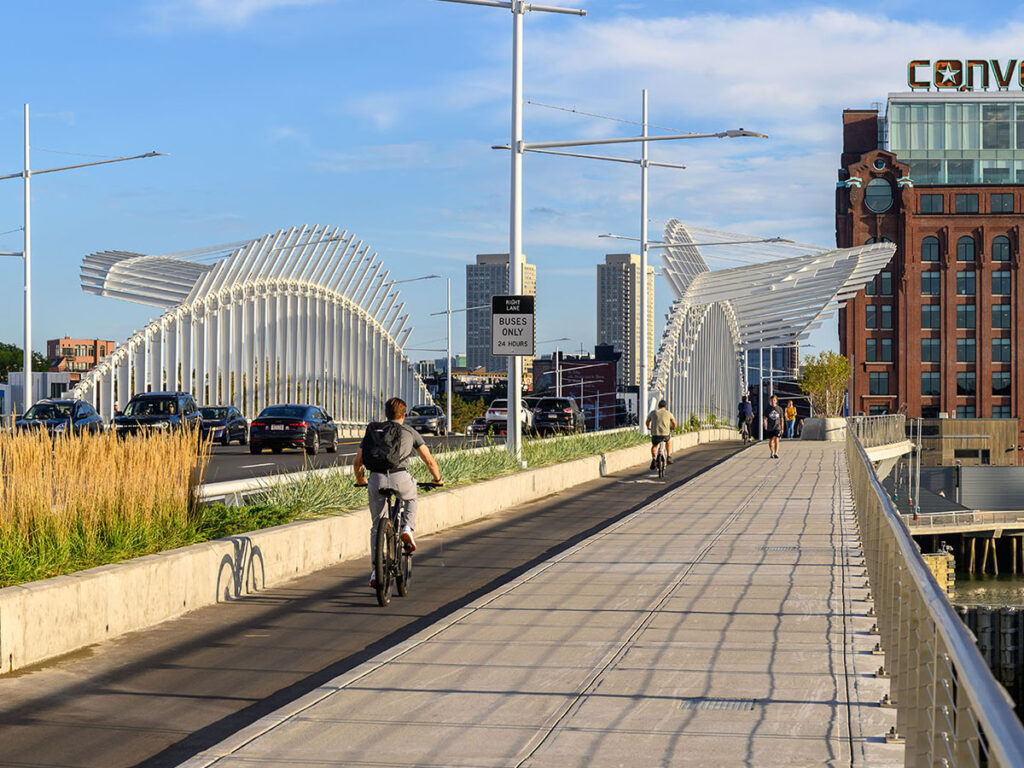
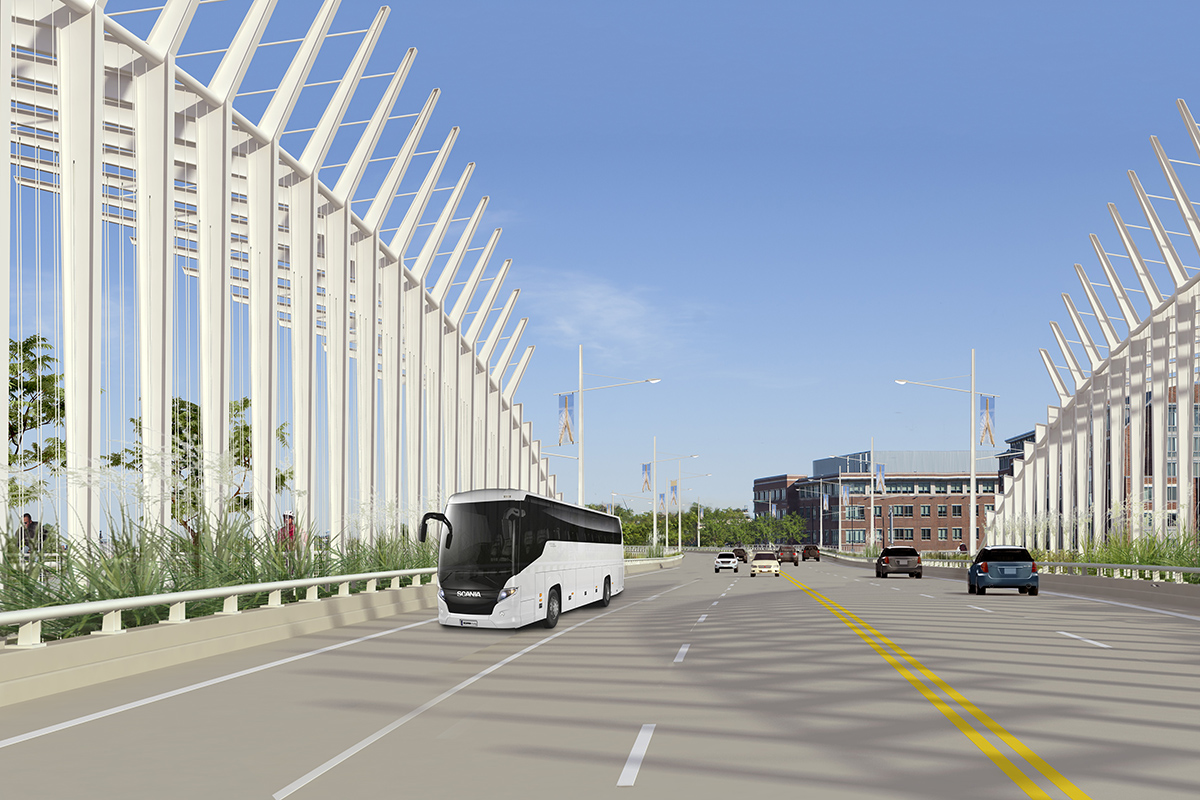
Taking a “Complete Streets” approach, the team prioritized safety, accessibility and community connectivity when designing the structure. A designated Bus Rapid Transit (BRT) lane, two separated dedicated bicycle lanes and pedestrian sidewalk facilities improve mobility while two lanes of traffic in each direction serve the 66,000 vehicles that rely on the bridge daily. Care was also taken to achieve full ADA compliance, ensuring barrier-free access for people of all abilities.
Preserving History While Improving Function
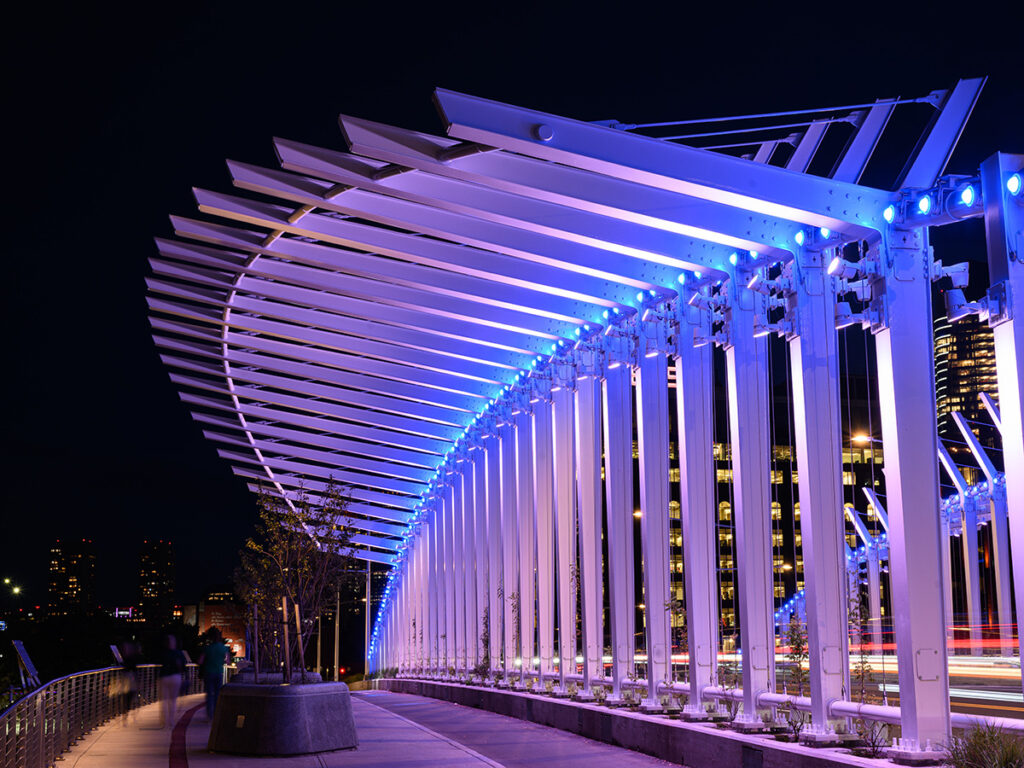
Curved architectural trellises, decorative lighting, ample seating and landscaping further enhance the experience along the bridge, at once accomplishing the structure’s multimodal objective while honoring the area’s history and creating a contemporary sense of place in Boston’s Inner Harbor.
Engineering a Unique Substructure
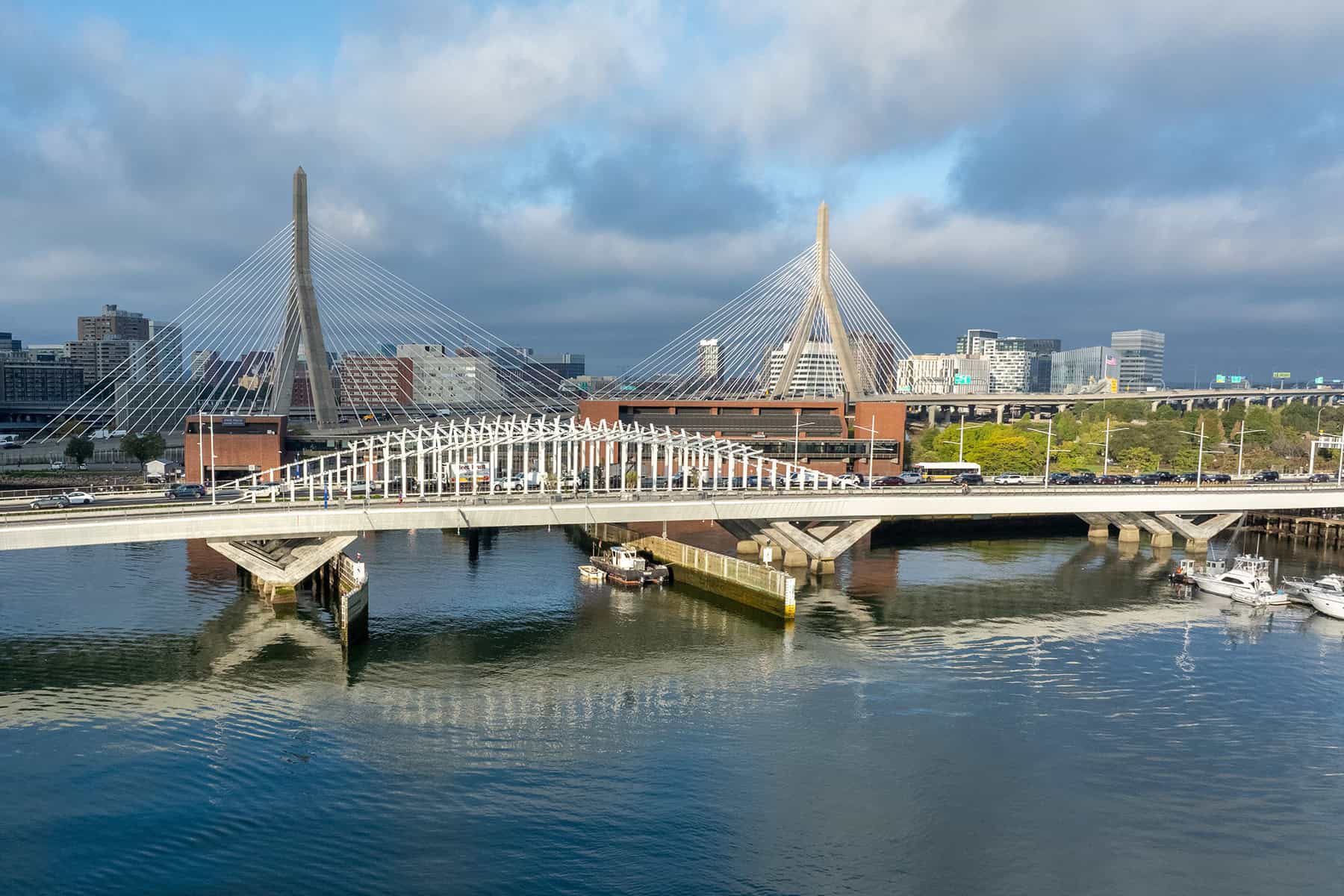
With the Zakim Bridge’s iconic 330-ft tall, inverted Y-pylons located just to the west, care was taken to avoid creating a competing structure. Therefore, the uniqueness of the Bill Russell Bridge had to be achieved below the roadway. By incorporating V-shaped concrete piers as the main substructure elements, the Bill Russell Bridge reflects the iconic pylons of the Zakim Bridge while maintaining its own unique identity.
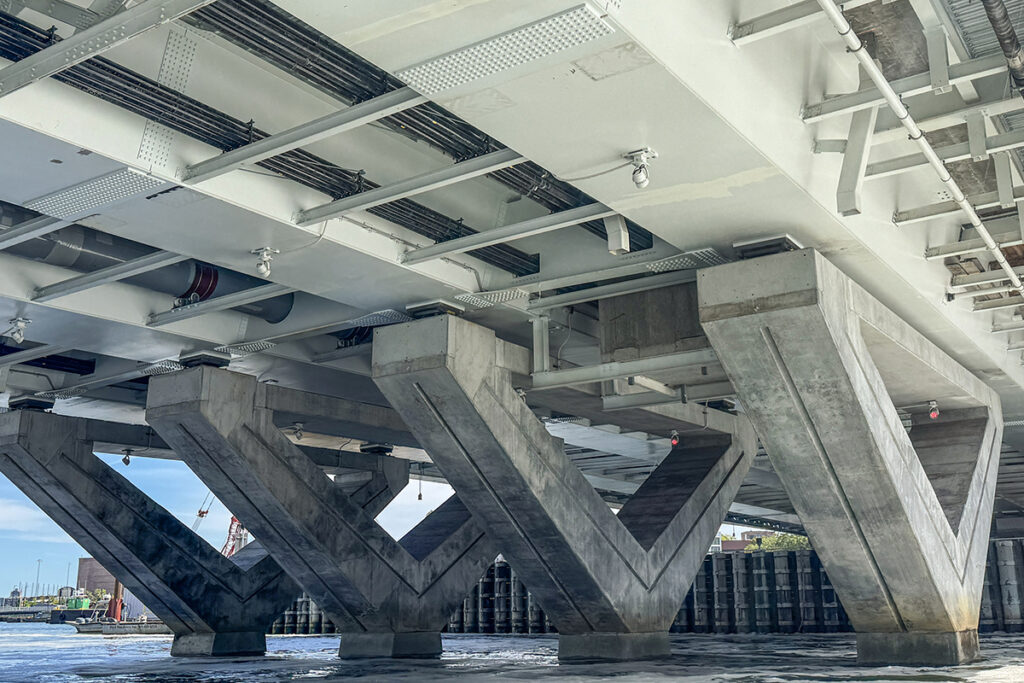
Each pier consists of four individual V-pier columns, arms and tie-beams. The arms extend 25 feet from the columns and rise 20 to 30 feet above the water, tied together with post-tensioned concrete tie-beams. The vertical portions of the V-piers are exposed at low tide and hidden at high tide, providing an open concept for increased visibility and reflective light.
This design also allowed the bridge to be constructed half at a time in order to maintain vehicular and pedestrian traffic and support for the utilities during construction.
A Signature Structure — 20 Years in the Making
Retiring the North Washington Street Bridge
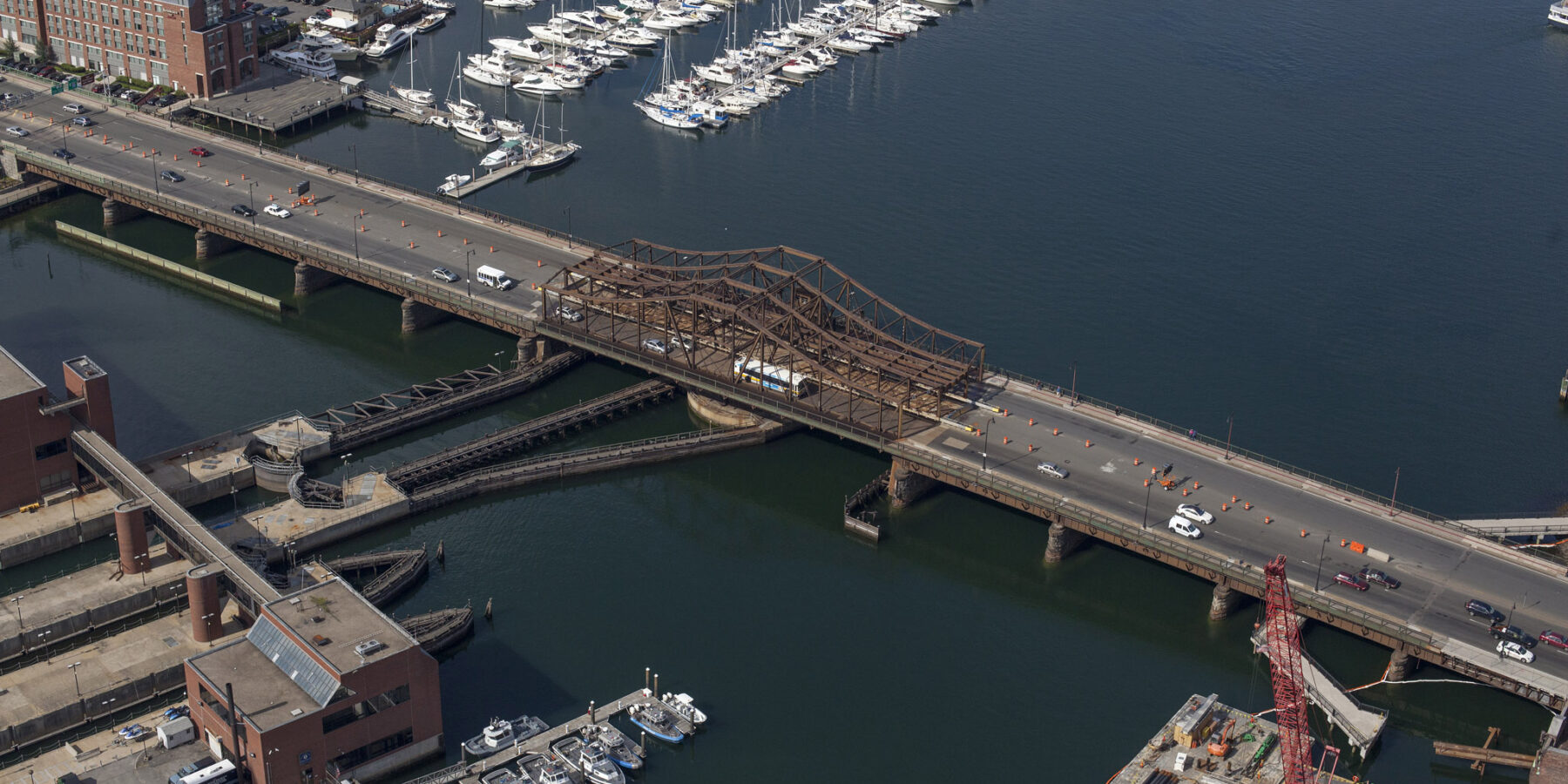
In 2002, a routine bridge inspection of the original bridge (constructed in 1898) conducted by Benesch uncovered so much deterioration that it started an 18-year saga of partial closures and emergency repairs. When it reached the end of its useful life in 2020, the decision was made to move traffic onto a temporary bridge while a replacement was designed.
Designing a Gateway Structure
Over the next several years, the project team completed conceptual planning, preliminary engineering and final design. Throughout the design phases, Benesch coordinated with stakeholders to address accessibility, multimodal needs and urban integration. The process emphasized utility relocation, marine navigation and traffic management.
Navigating 5 Stages of Construction
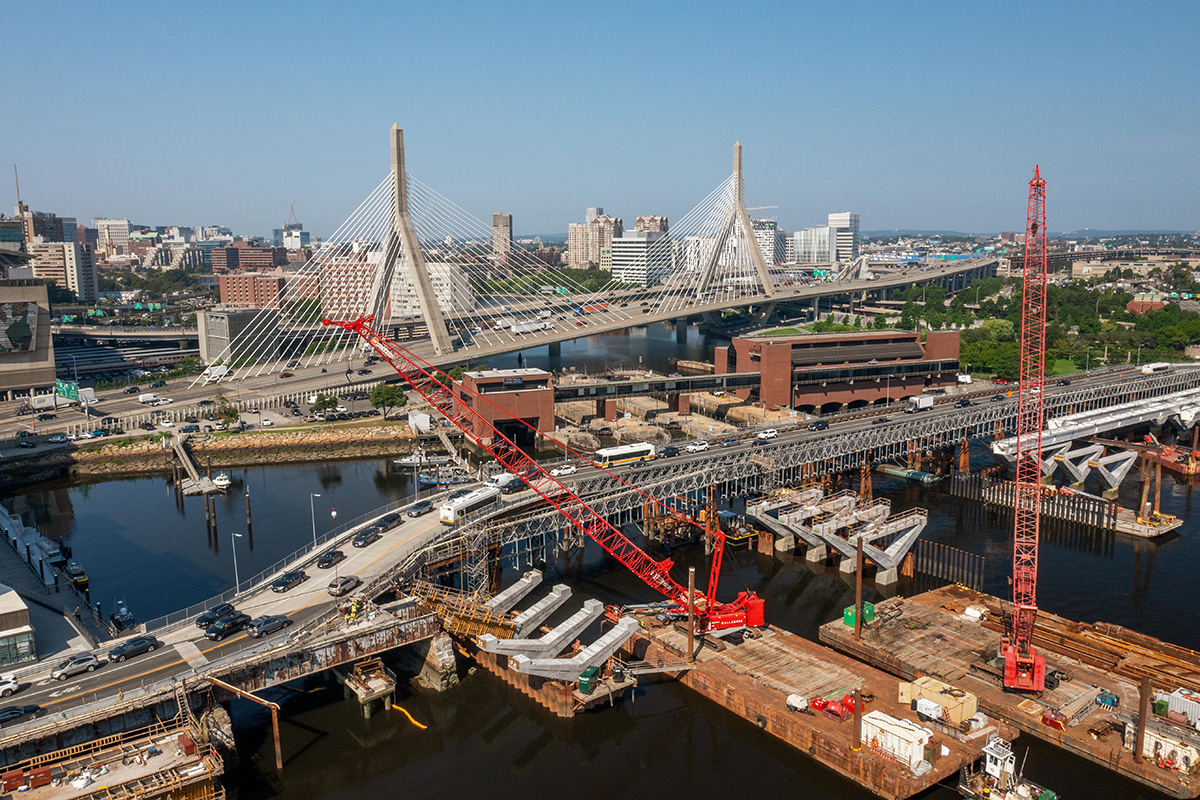
Benesch worked diligently throughout each of the five stages of construction to help ensure a successful construction process and that the final result met the City’s vision for a multimodal, accessible and context-sensitive gateway structure.
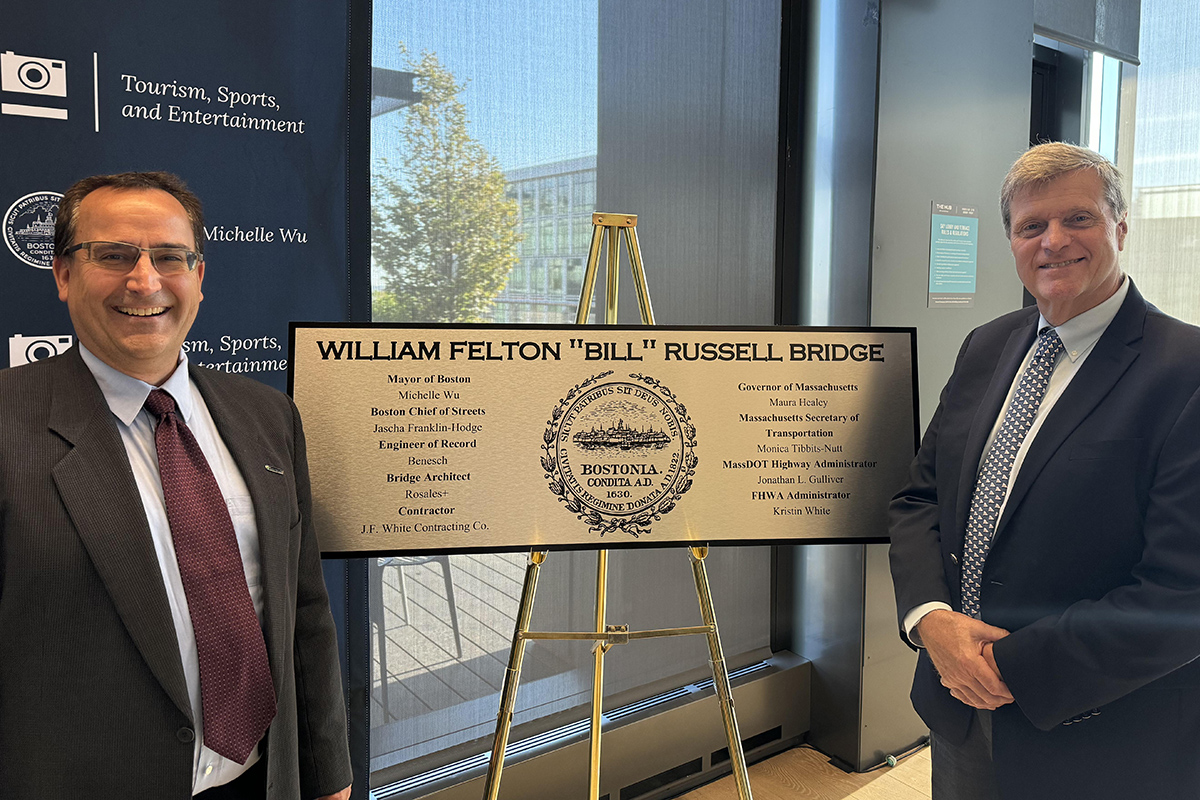
Dedicating the Nearly Complete Bridge
Shortly before the bridge was completed, a ceremony was held to announce the signature bridge would be renamed to honor Celtics legend Bill Russell. Benesch Massachusetts Division Manager Ed Baumann and Senior Project Manager Matt Card (pictured) joined in on the celebration.
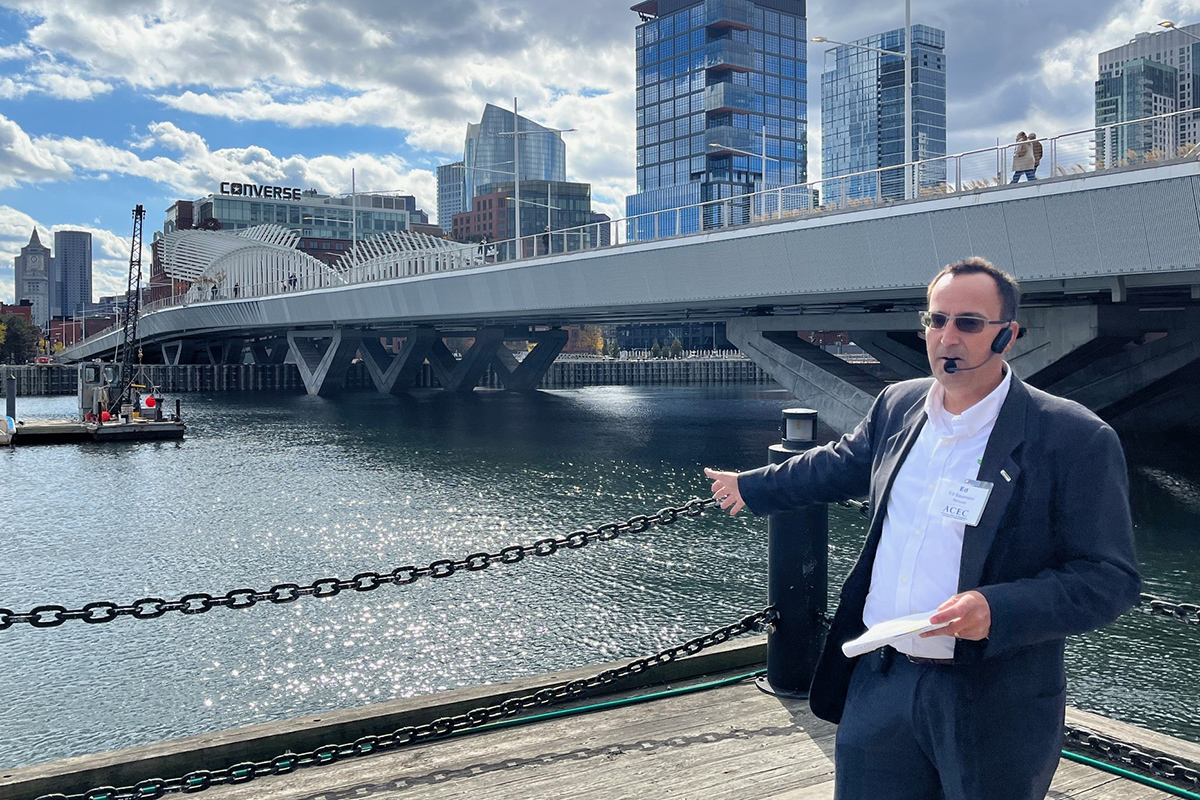
Celebrating the Massive Undertaking
To celebrate the completion of the bridge, the American Council of Engineering Companies of Massachusetts hosted an Engineering and Public Works Roadshow event. Benesch staff led the press, their peers and the public across the bridge from the North End to Charlestown.
Related Projects
Fracture Critical & QC/QA Inspections
Kansas Department of Transportation
Red Line & Orange Line Strengthening of Bridges
Massachusetts Bay Transportation Authority
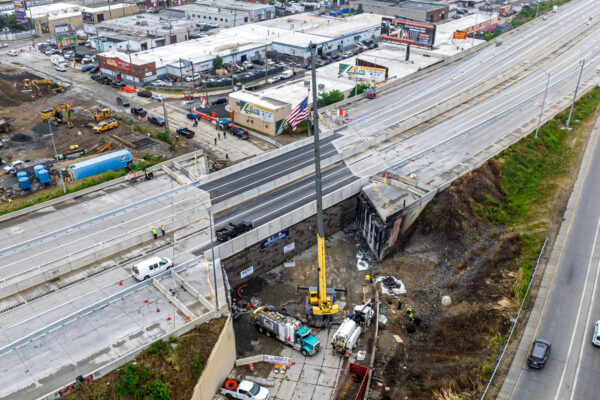
I-95 over Cottman Avenue Emergency Repairs & Bridge Replacement
Pennsylvania Department of Transportation
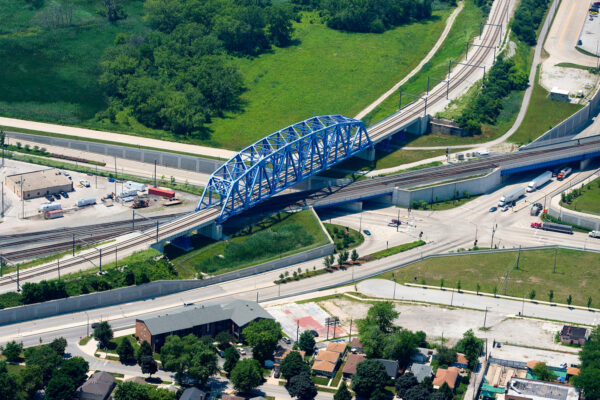
130th Street & Torrence Avenue Grade Separation
Chicago Department of Transportation
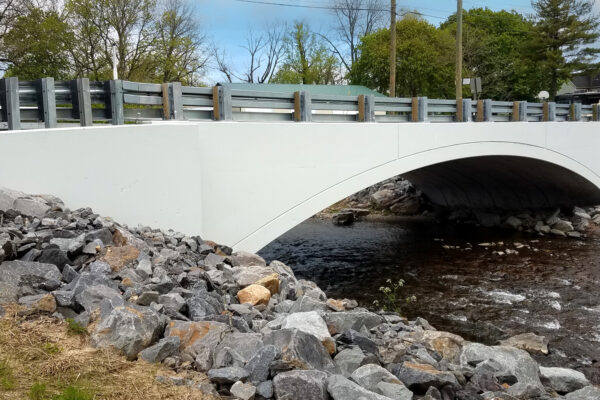
Northampton County P3 Bridge Renewal Project
Northampton County
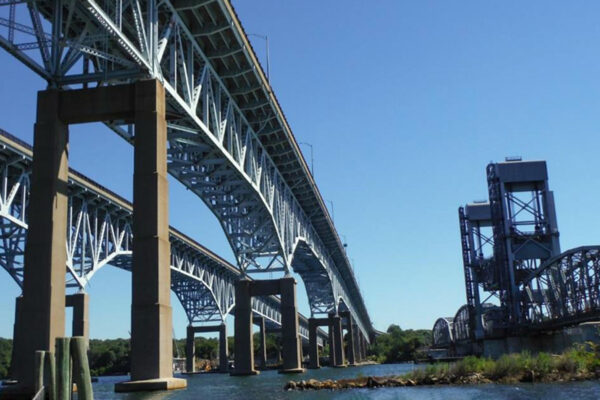
Gold Star Bridge
Connecticut Department of Transportation
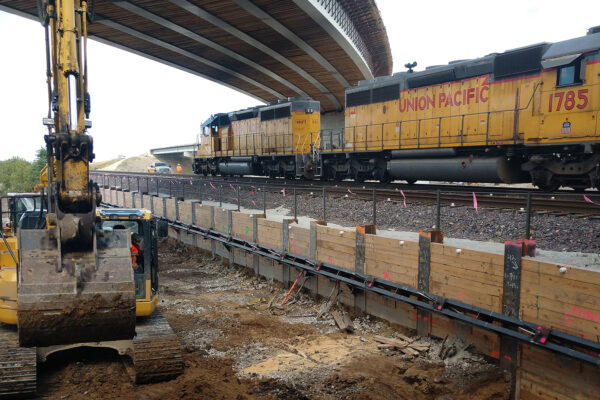
EOWA Mega Bridge & Track Relocation
Union Pacific Railroad
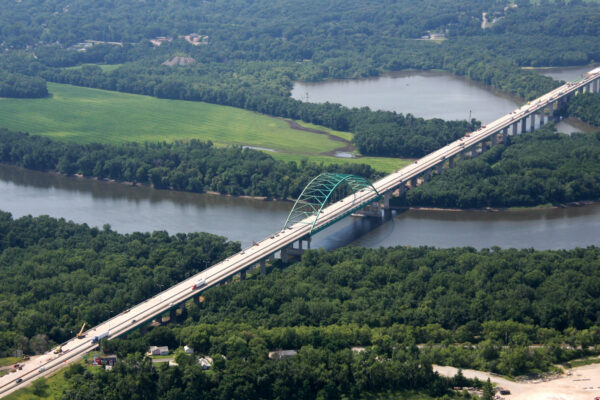
Abraham Lincoln Memorial Bridge
Illinois Department of Transportation
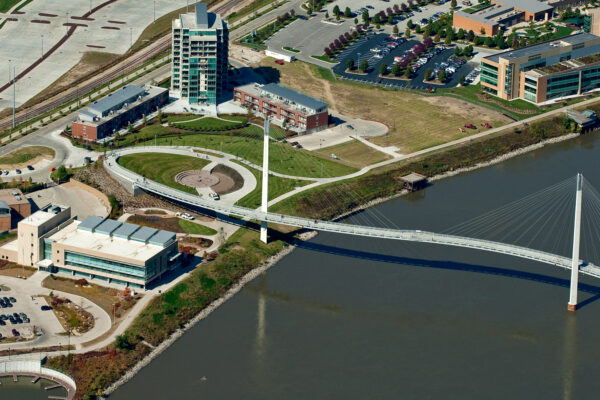
Missouri River Pedestrian Bridge
City of Omaha
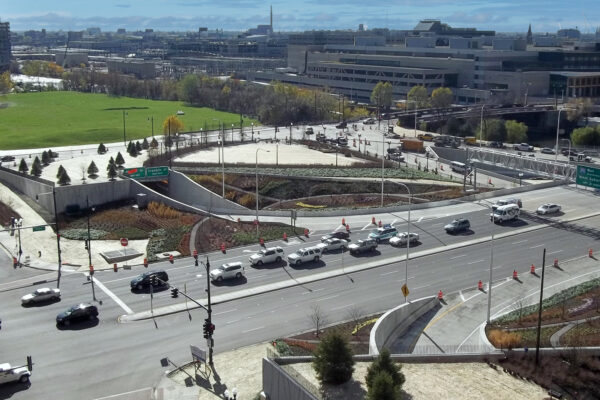
Wacker Drive & Congress Parkway Interchange
Chicago Department of Transportation